Bed Bug Heat Treatment: A Step-by-Step Guide to Complete Eradication
Bed bug invasions can cause considerable stress within a household. Thermal treatment is an established approach for eliminating these insects efficiently. This approach requires careful planning and execution to guarantee success. Knowing the stages of the process is critical for residents. What should one expect during the process? The sections below detail key preparations and methods to sustain a bed bug-free living space, offering a straightforward route to resolution.
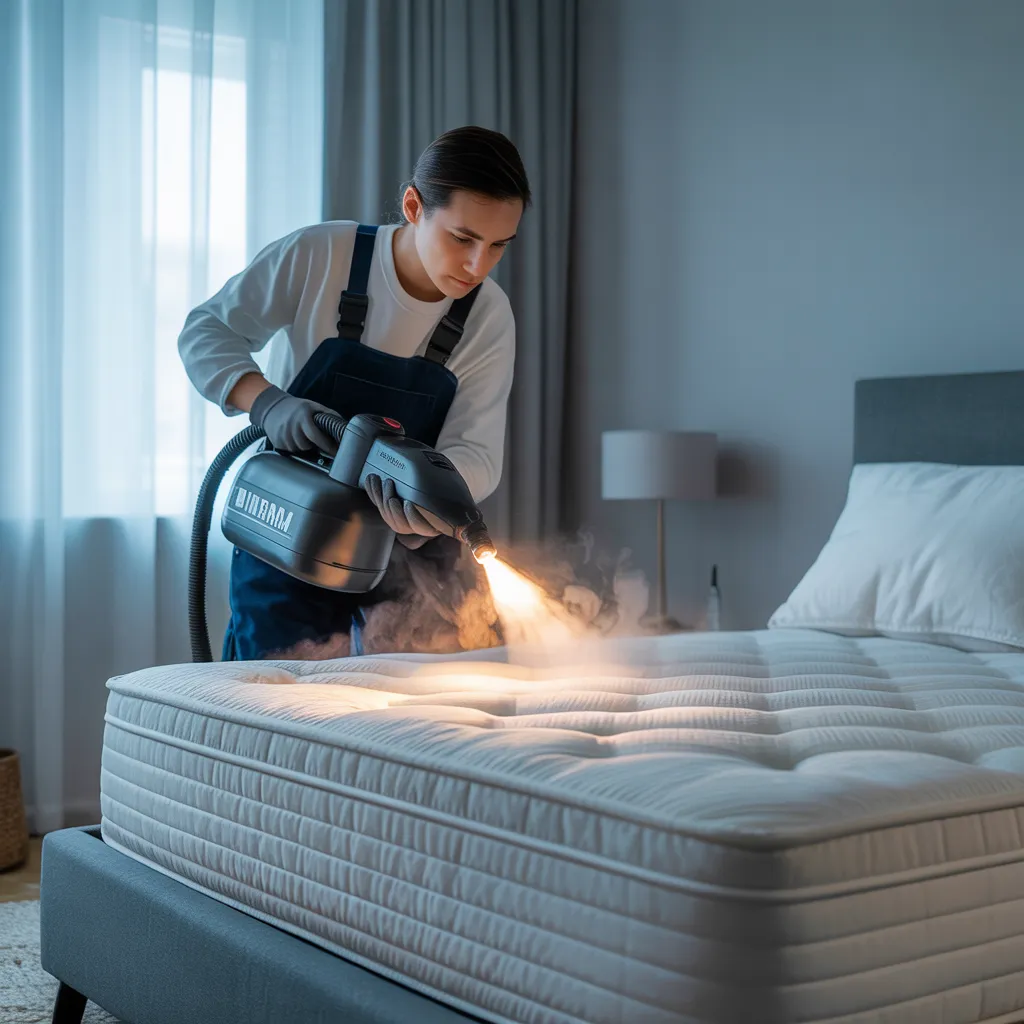
Bed Bug Infestation: What to Do Immediately
Upon discovering a bed bug infestation, prompt action is essential to mitigate the problem. The first step involves assessing the severity of the infestation. This is accomplished by inspecting common hiding spots such as bed frames, mattresses, and furniture gaps. Once confirmed, individuals should minimize the spread by isolating affected items. This includes sealing infested bedding and clothing in plastic bags.
Additionally, it is recommended to declutter the affected area. This not only limits hiding spots but also makes treatment efforts more effective. A thorough vacuuming session can help remove both pests and their eggs from all surfaces, although discarding the vacuum bag is necessary to avoid reinfestation.
Ultimately, contacting a certified pest management service explore this is advised. They carry the skills and resources necessary for successful elimination. Prompt, decisive actions can significantly minimize the magnitude of the outbreak and lead to a more rapid conclusion.
How Heat Treatment Works to Eliminate Bed Bugs
After evaluating the severity of a bed bug infestation and taking initial containment measures, finding effective treatment solutions becomes essential. Heat treatment is a highly effective method for eradicating bed bugs. The method works by increasing the temperature of contaminated spaces to a fatal degree, typically between 120°F and 140°F. Under these thermal conditions, bed bugs along with their eggs and nymphs are unable to survive.
This method typically involves professional-grade tools that circulates hot air across the entire area, ensuring uniform heat distribution. Unlike chemical treatments, thermal energy reaches into walls, furniture, and other hidden areas where bed bugs are known to shelter. This comprehensive method destroys every stage of the bed bug life cycle within a single treatment session.
While the treatment is effective, it is crucial to confirm that all items within the treated area can withstand high temperatures to avoid any damage. Heat treatment not only eradicates existing infestations but also aids in preventing future ones by eliminating concealed populations.
Critical Preparations for Heat Treatment Success
Achieving successful heat treatment for bed bugs necessitates careful planning to optimize its effectiveness. Before treatment begins, it is essential to remove clutter from the area to ensure heat reaches all surfaces. All items, especially those with potential bed bug hiding spots, should be removed or treated separately. In addition, washing and drying bed linens, clothes, and curtains using high heat settings can aid in eradicating any insects or eggs found in these items.
Furniture must be positioned away from walls to establish a buffer zone, enabling optimal airflow during treatment. Electronic equipment and sensitive belongings must be relocated or protected, as excessive heat can damage them. Additionally, sealing cracks and crevices will limit areas where bed bugs can conceal themselves, improving treatment effectiveness. These essential steps lay the groundwork for successful eradication and support a more complete application of heat, ultimately producing a bed bug-free living space.
What You Can Expect During Heat Treatment
During heat treatment for bed bugs, property owners can anticipate a comprehensive process aimed at eradicating these pests. The treatment entails elevating indoor heat levels to between 120°F and 140°F, successfully addressing all developmental stages of bed bugs, including egg deposits. As the heat reaches into upholstery, flooring, and other harborage areas, occupants may observe a heated atmosphere throughout the property.
Residents need to anticipate certain interruptions, as the treatment usually requires several hours to guarantee thorough coverage. Professional pest control technicians will carefully track temperature levels, utilizing advanced equipment to maintain the required levels. Even though bed bugs may not be visibly apparent right away, the heat treatment is intended to kill infestations at all stages. It is essential for property owners to stay away from the treated space until clearance to re-enter has been confirmed, ensuring their personal safety during this thorough extermination process.
Next Steps for Keeping Your Home Bed Bug-Free
Following heat treatment, maintaining a bed bug-free home calls for consistent preventive action. Residents are encouraged to perform periodic examinations, concentrating on typical infestation areas such as mattresses, bed frames, and furniture seams. Applying protective covers for box springs and mattresses helps guard against future infestations by sealing in any remaining bugs.
Consistent cleaning is vital; vacuuming frequently and washing bedding and clothing in hot water will help eliminate any potential eggs or bugs. Moreover, minimizing clutter throughout the home limits hiding areas and allows for more thorough inspections.
It is also advisable to be cautious when introducing pre-owned belongings or travel bags, as these can introduce new bed bugs. Should any indications of re-infestation be noticed, a qualified pest management professional should be called right away. By following these measures, property owners can develop a living space that considerably minimizes the chances of a bed bug recurrence.
Popular Questions and Answers
Can I Remain at Home During Heat Treatment?
No, it is generally advised not to stay in the home during heat treatment for bed bugs. The high temperatures required for effective eradication can pose safety risks and discomfort to occupants and pets.
How Much Time Does Heat Treatment Require to Finish?
The heat treatment process typically takes around six to eight hours to finish, based on the size of the affected area. This process involves raising the temperature to thoroughly eradicate bed bugs throughout every stage of their life cycle.
Do My Pets Face Any Risks During Treatment?
Pets do face risks during the treatment process. The high heat involved can be dangerous; for this reason, it is necessary to relocate pets from the area before the treatment begins and guarantee their safety until the treatment area cools down.
What Happens if Bed Bugs Return After Treatment
Should bed bugs reappear following treatment, it might signal inadequate eradication or a new introduction of pests. Residents should take a closer look at their living conditions, explore further treatment options, and work with professional exterminators to develop effective approaches for dealing with the recurring infestation.
How Much Will Bed Bug Heat Treatment Set You Back?
Bed bug heat treatment generally runs anywhere from $1,000 to $2,500, depending on the severity of the infestation and the size of the area being treated. Additional factors may influence the final price, such as geographic location and the chosen service provider.